An urn for your pet, in Wellington
By our estimate, about 55,500 households in Wellington share their home with a dog or cat, and roughly 4,750 of those pets die each year. Many of their ashes come home needing an urn. Here's how to choose one well.
- Honest price ranges for Wellington
- Indoor and outdoor options for your climate
- Scattering basics for New Zealand
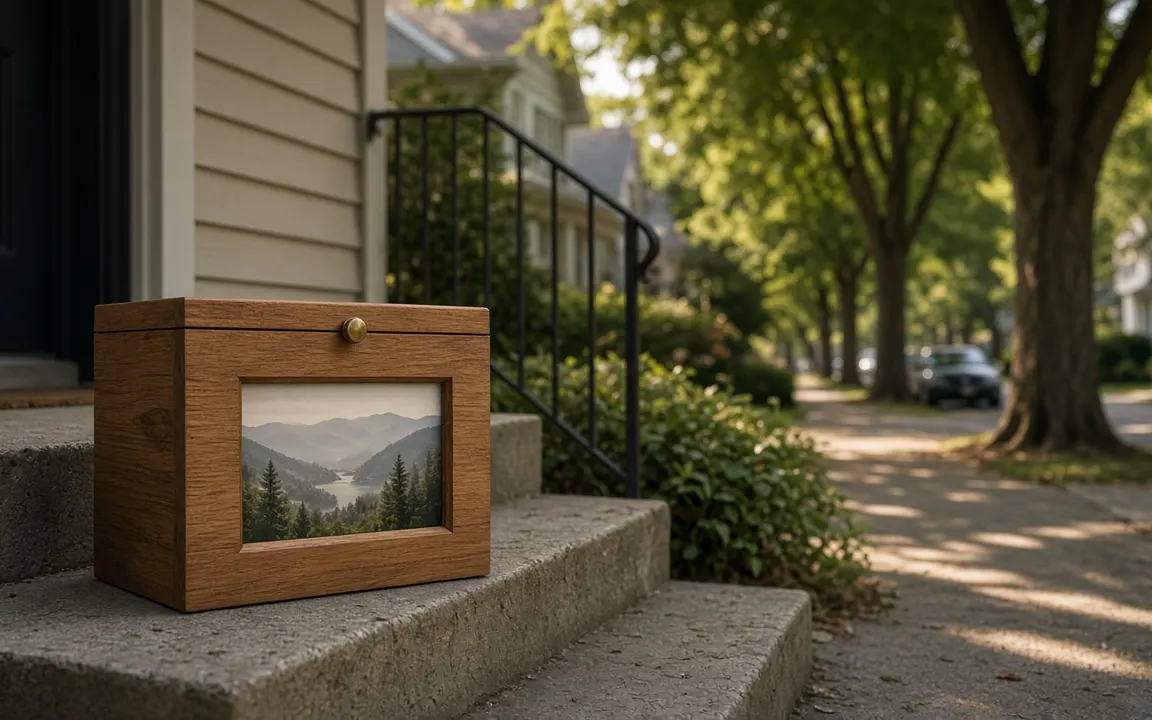
Wellington, New Zealand
Choosing a pet urn in Wellington
Wellington's harbor, the south coast around Ōwhiro Bay and Island Bay, and the Town Belt's green hills are where many Wellington families spent their weekends with a pet, so they're often the first places people think of afterward. Public land and the coast may have rules on scattering, so check with the council first. Planting a native tree or shrub in your garden with a biodegradable urn is a popular alternative.
Planting something native is a lovely way to remember a pet in Wellington, whether a kōwhai that flowers yellow in spring, a harakeke flax, or a small tree that attracts tūī. A biodegradable urn can go beneath it, or you can keep the ashes in an indoor urn and plant the tree as a living memorial. Choose a sheltered spot, since Wellington's wind is hard on young plants.
A local woodworker in the Wellington area can do something no online shop can: make an urn from wood that means something to you, such as a branch from the tree your dog lay under or boards from an old porch. Ask how the wood will be dried first, since green timber can crack as it seasons indoors. The piece will take longer, but it's often the urn families are most glad they waited for.
Wellington is home to about 212,000 people.
Our estimate
55,500
Wellington: dog- or cat-owning households, our estimate
How we calculated this
212,000 ÷ 2.7 = 78,519 households; × 31% (dog) + 40% (cat) = 55,500. Homes are counted once however many pets they keep.
Our estimate
4,750
Estimated dog and cat losses in Wellington each year
How we calculated this
55,500 dog/cat-owning homes ÷ average lifespan (dog: 12.69 yrs + cat: 11.18 yrs) ≈ 4,750 a year. The real figure is unlikely to be lower.
31%[1]
31% of New Zealand households have a dog, down from 34% in 2020.
12.69 years[2]
US dogs have an average life expectancy at birth of 12.69 years.
40%[3]
40% of New Zealand households have a cat - cats are NZ's most popular pet.
11.18 years[4]
US cats seen at Banfield hospitals have an average life expectancy at birth of 11.18 years.
None of the figures on this this page are ours alone: they rest on Montoya et al. 2023, Frontiers in Veterinary Science and Companion Animals New Zealand, 2024 NZ Pet Data Report.
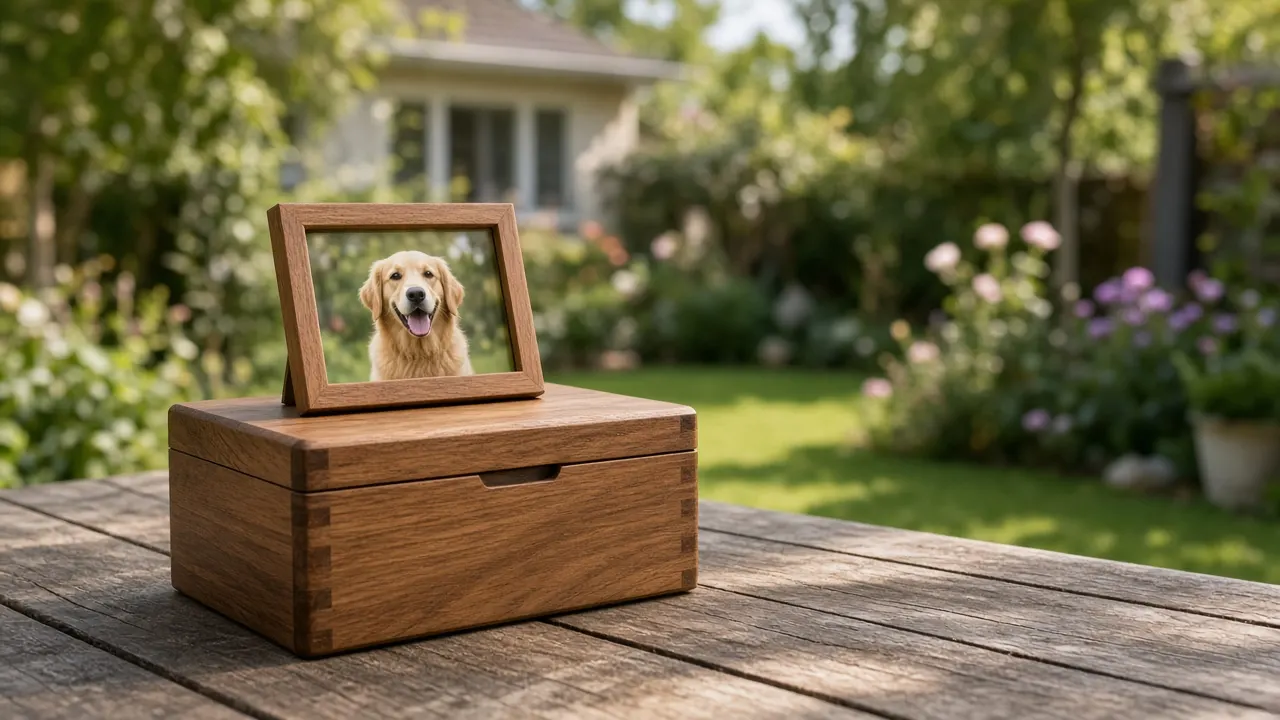
Cremation customs in New Zealand and your pet
Cremation accounts for about 69%[5] of deaths in New Zealand. Because it isn't yet everyone's default, local memorial shops may carry only a few pet designs. That's no reason to settle. Take the capacity you need and a photo of the spot where the urn will go, and you'll soon see whether the local range fits or whether to look further.
That New Zealand rate is a human one, published by The Spinoff, citing FDANZ 2023 Funeral Industry Trends Report (2023). We quote it for Wellington only as a pointer to how families here already think about cremation.
Wellington weather and your pet's urn
If you plan to bury or scatter the ashes, the season in Wellington decides when, not whether. Frozen or waterlogged ground can wait; the ashes are safe indoors in the meantime. Many families find a spring or autumn date, when the weather is kind and people can gather without rushing, and keep a small keepsake back for those who can't come.
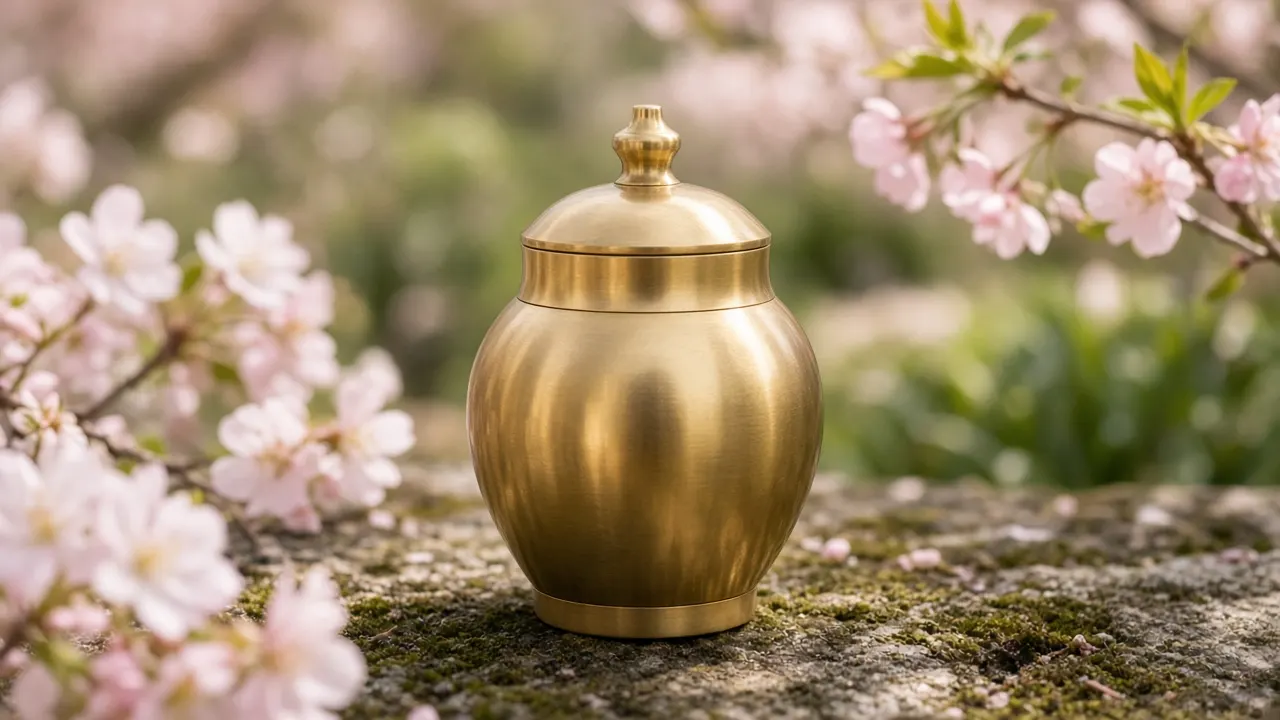
Budgeting for an urn and keepsakes in Wellington
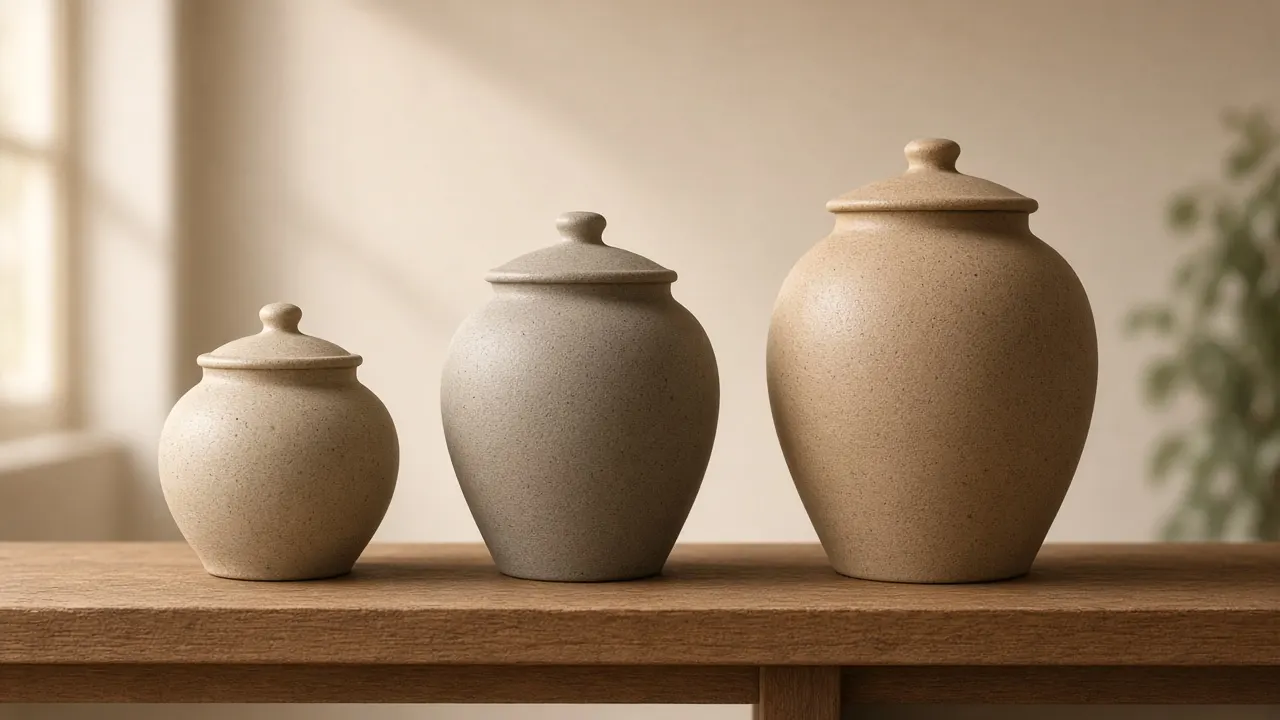
Urn sizes in Australia and New Zealand are usually quoted in litres. One litre is about 61 cubic inches, so most cats need an urn well under half a litre and a Labrador about 1.2 litres. Published prices from one Brisbane crematory run A$95–A$200[6] for ceramic and timber and A$170–A$245[7] for metal. Delivery to regional areas can take longer than to capital cities, so allow extra time for engraving.
For a line-by-line price table, see the New Zealand overview; for what's included in each option, see our services.
Free tool
Memorial budget planner
Add up cremation, urn, keepsakes and a farewell so the total holds no surprises.
What New Zealand allows with pet ashes
Water is the place families ask about most. Scattering on a lake, a river or the sea feels natural to many people, but local authorities and park managers can have their own requirements, and some ask that only water-soluble urns are used. The general notes for New Zealand follow; whoever manages that stretch of water has the final say.
In New Zealand, urns are usually sized in litres, and local makers often work in native timbers. Some families, particularly those following tikanga Māori, keep ashes away from places where food is prepared or eaten, so a shelf in a living room or bedroom is often preferred over a kitchen. Scattering on private land needs the owner's permission.
How to get from ashes to urn
- Talk to the family first. Find out who wants a small share, and whether some ashes are going into the ground or the wind.
- Set aside the shares before filling the main urn; the ashes sharing planner shows how much each person can have.
- Buy matching keepsakes for family living elsewhere, and deliver them face to face rather than by mail where possible.
- If you must post ashes, check your postal service's rules first. In the US, only USPS accepts them, by Priority Mail Express.
- Choose the main urn once you know what's left, sized for that amount.
- Plan any scattering for still, dry weather, and hold a small amount in reserve for anyone who asks to take part afterwards.
Remembering your pet, in Wellington and beyond
In a Wellington flat or townhouse, a memorial often needs to be compact: a small urn by the window, a framed paw impression, or cremation jewelry holding a little of the ashes. If family members elsewhere in New Zealand or overseas want a keepsake, ask for small containers so the ashes can be shared. An engraved stone on a sheltered deck is another option.
Compare every option on our services page, or see what other families chose in the poll results, use the free tools before you ring anyone, go deeper with the guides or catch up on recent articles. You can also browse every city in New Zealand.

Reader polls
What would you choose?
Vote anonymously and see how other readers answered. The results are live counts from people who visit this site, so they show real opinions, not a scientific sample.
Where does (or will) your pet's urn live?
Tap an answer to vote and see how others answered. Anonymous.
If you were choosing your pet's urn today, which material would you pick?
Tap an answer to vote and see how others answered. Anonymous.
If you had to decide today, which aftercare would you choose for your pet?
Tap an answer to vote and see how others answered. Anonymous.

Free tools to help you plan
Memorial budget planner
Add up cremation, urn, keepsakes and a farewell so the total holds no surprises.
Urn size calculator
Find the urn volume you need from your pet's weight, plus keepsake and sharing options.
Ashes sharing planner
Split ashes fairly between family members, keepsake urns and jewelry.
Questions people ask
Is Wellington big enough to have several pet aftercare providers?
Probably, on the numbers. By our estimate about 55,500 Wellington households keep a dog or cat and around 4,750 lose one each year, which is enough steady demand to support more than one provider. We derive that from population (about 212,000), household size and national ownership and lifespan figures.
Why does the Wellington page quote a human cremation rate?
Because it is the best local signal we have. The Spinoff, citing FDANZ 2023 Funeral Industry Trends Report (2023) reports about 69%[5] of New Zealand residents are cremated. There is no official pet equivalent, and inventing one would be worse than quoting a real, clearly labelled number.
Why do you mention pet numbers for Wellington on an urn page?
Because it explains why so many local crematories and sellers offer urns. By our estimate, around 55,500 households in Wellington have a dog or cat, and roughly 4,750 dogs and cats die there each year. The estimate comes from census household figures and national ownership surveys, so treat it as a rough guide, not a count.
Can two pets share one urn?
Yes. Companion urns are made to hold two sets of ashes, sometimes in separate compartments. Many families prefer matching single urns instead, because pets rarely die at the same time and a companion urn can sit half empty for years. If you do choose a shared urn, size it for both pets' combined weight.
Can I take my pet's urn on a plane?
Usually yes, in your hand luggage, but the container needs to pass through airport X-ray screening. Dense metal or stone urns can be hard to screen, and in the US, security officers won't open a container of remains. Wood or a sturdy plastic temporary container is the safest choice for travel. Check your airline's rules too, especially for international flights.
Can a local shop in Wellington engrave an urn I already have?
Often, yes. Trophy and awards shops, and some jewellers, laser-engrave brass plates and wooden panels, and many will engrave an urn directly if the surface is suitable. Bring the urn, the exact wording and a photo of any design. Ask to see a sample on the same material first, and approve a proof before they start.


Sources and our estimates
- [1] 31% of New Zealand households have a dog, down from 34% in 2020. Companion Animals New Zealand, 2024 NZ Pet Data Report, 2024.
- [2] US dogs have an average life expectancy at birth of 12.69 years. Montoya et al. 2023, Frontiers in Veterinary Science - Banfield Pet Hospital life expectancy tables (13.3 million dogs, 2.4 million cats, 2013-2019), 2023.
- [3] 40% of New Zealand households have a cat - cats are NZ's most popular pet. Companion Animals New Zealand, 2024 NZ Pet Data Report, 2024.
- [4] US cats seen at Banfield hospitals have an average life expectancy at birth of 11.18 years. Montoya et al. 2023, Frontiers in Veterinary Science - Banfield Pet Hospital life expectancy tables (13.3 million dogs, 2.4 million cats, 2013-2019), 2023.
- [5] 69% of bodies in New Zealand were cremated in 2023, per the Funeral Directors Association of NZ. The Spinoff, citing FDANZ 2023 Funeral Industry Trends Report, 2023.
- [6] Brisbane pet crematory Patch & Purr sells pet urns and timber boxes from A$95 (white ceramic) to A$200 (carved wooden cat). Patch & Purr Pet Cremations – Urns & timber boxes, 2026.
- [7] Patch & Purr's metal urns cost A$170 with an engraved disc, A$185–A$195 with an engraved stand, or A$245 laser-engraved, which takes about 2 weeks. Patch & Purr Pet Cremations – Urns & timber boxes, 2026.
- [8] Name-and-dates engraving adds about 36% to the price of a mid-priced wooden pet urn. Our estimate: midpoint engraving $32.50 ($25–$40) / midpoint wood urn $90 ($30–$150). How we calculate.
Ask for urn and keepsake ideas by email
Tell us what you need and where you are. We'll reply by email with clear options and prices so you can decide in your own time.