How to move your pet's ashes into an urn, gently and without spills
The simplest way is not to pour anything: place the sealed bag of ashes straight into the urn and close it. If the bag won't fit through the opening, a tray, a funnel and twenty quiet minutes are all you need.
By the Pet Urns & Keepsakes editorial team · Updated September 24, 2026 · 5 min read · Sources
- The no-pour method that works for most urns
- Step-by-step pouring when the bag won't fit
- Filling keepsakes and jewelry, and when to seal
The simple way
Do you need to take the ashes out of the bag?
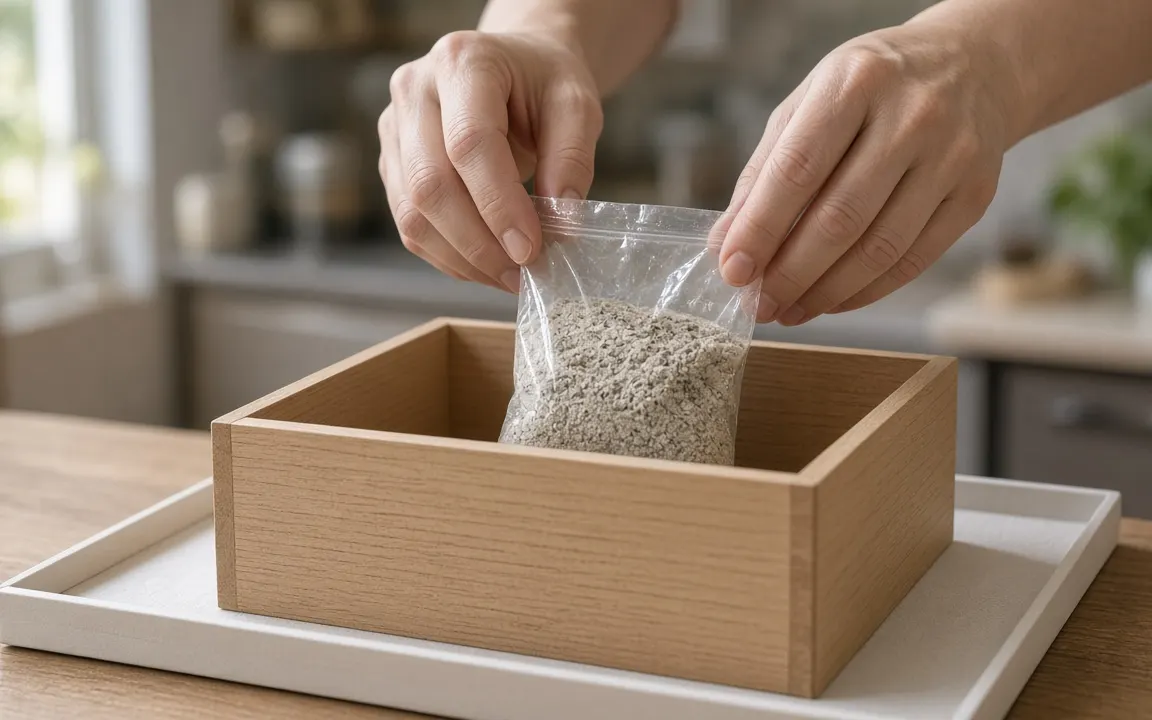
Usually not. Pet ashes come back from private cremation in a strong, sealed plastic bag, and most urns are designed for that bag to go straight inside. It's cleaner, keeps the ashes together, and means that if the urn is ever dropped or needs replacing, nothing spills.
- Open the temporary box and lift out the bag, supporting it from underneath.
- Check the seal or twist tie is secure. If it's loose, place the whole bag inside a new zip-top freezer bag.
- Open the urn: unscrew the base panel on a box urn, or lift or unscrew the lid on a jar.
- Lower the bag in gently, folding any excess plastic over the top.
- Add anything you'd like to keep with the ashes, such as the metal ID disc or a folded note.
- Close the urn and tighten the screws or lid by hand, without forcing it.
If the bag doesn't fit through the opening, that's a capacity or opening problem rather than a pouring one. Checking capacity and the opening explains how to spot it before you buy.
How would you move the ashes from the temporary container into the urn?
Tap an answer to vote and see how others answered. Anonymous.
Preparing
What do you need if you have to pour the ashes?
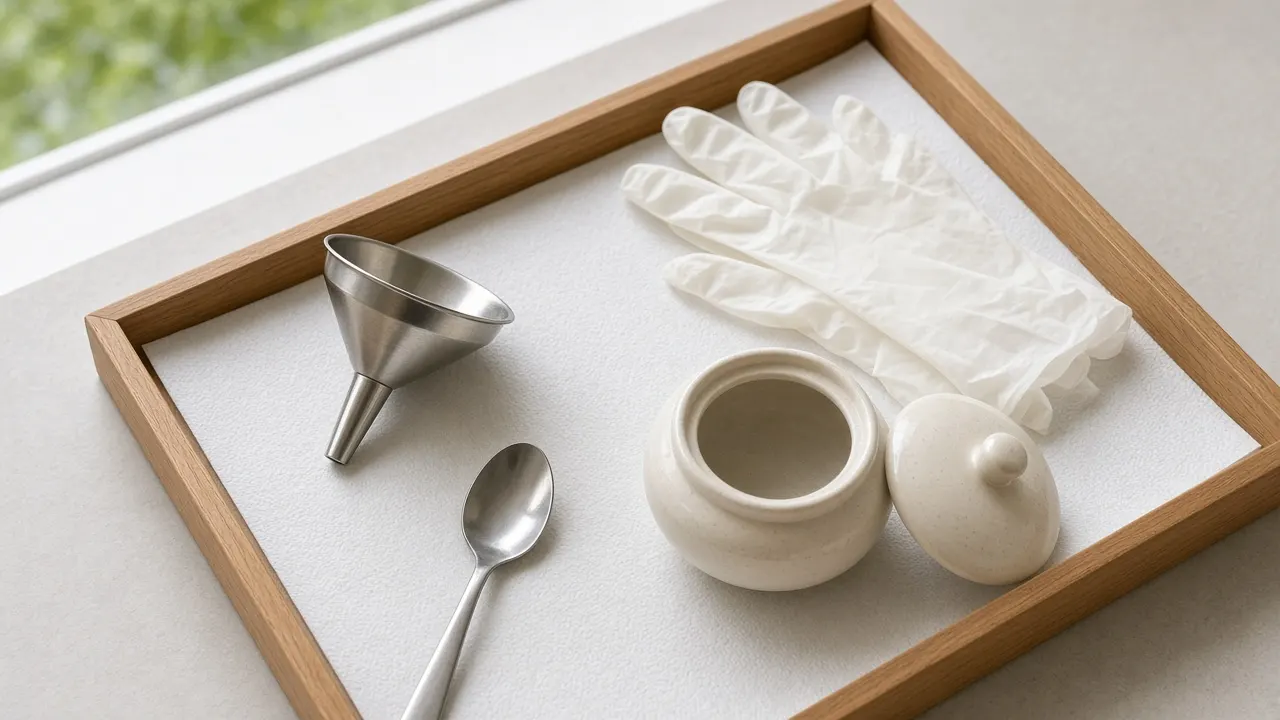
Choose a calm time, a table away from drafts and fans, and a moment when nobody needs you. Then gather:
- A rimmed tray or baking sheet lined with a sheet of paper, to catch anything that escapes.
- A funnel with a spout that fits the urn's opening; urn kits often include one, and a kitchen funnel works too.
- A small spoon for keepsakes, and a pair of scissors.
- Disposable gloves and, if you're sensitive to dust, a simple face mask.
- A damp cloth and the urn's screwdriver, if it has screws.
Step by step
How do you pour pet ashes into an urn without spilling?
- Set the urn on the tray, opening facing up, with the funnel seated in the neck.
- Cut a small corner off the bag, about the width of your little finger. A small cut gives you control; you can always widen it.
- Pour slowly into the funnel, letting it clear before you add more. Tap the funnel gently if the ashes bridge.
- Pause every so often and settle the ashes by tapping the side of the urn, so they pack down.
- Tip anything on the tray back in using the paper as a chute.
- Wipe the rim with a dry cloth before closing, so the lid or threads seat properly.
Ashes aren't a fine powder like flour. They're a mix of soft grit and small pale fragments, a little like coarse sand, and they flow reasonably well through a wide funnel. They weigh about 3-5% of body weight[1], which is still a surprising amount: a 30 kg dog leaves around 0.9-1.5 kg[2], while by our estimate a 12 lb cat returns about 6.7 oz[3].
The 3 to 5% figure pet crematories use comes from pet industry guidance, and it sits close to human data: a study of 100 commercial human cremations found adult remains averaged about 3.5% of body weight, so the amount you're pouring is predictable enough to plan a funnel and a spare bag.
Handling
Is it safe to handle pet ashes?
Yes. Cremation happens at very high temperatures, so the ashes are sterile and carry no disease risk. They are, however, very alkaline, with a pH of ~11.7[4], similar to a strong household cleaner. That can dry or irritate skin and sting if dust reaches your eyes.
- Wear disposable gloves if you'll be touching the ashes directly.
- Pour gently at waist height so dust doesn't rise to your face.
- Rinse any ash on skin with plain water, and flush eyes with clean water if dust gets in.
- Wash hands afterwards and wipe the table with a damp cloth.
The same alkalinity is why ashes shouldn't be poured straight around the roots of a young plant; our pet urn materials guide explains how biodegradable and tree urns deal with it.
Small shares
How do you fill keepsakes and cremation jewelry?
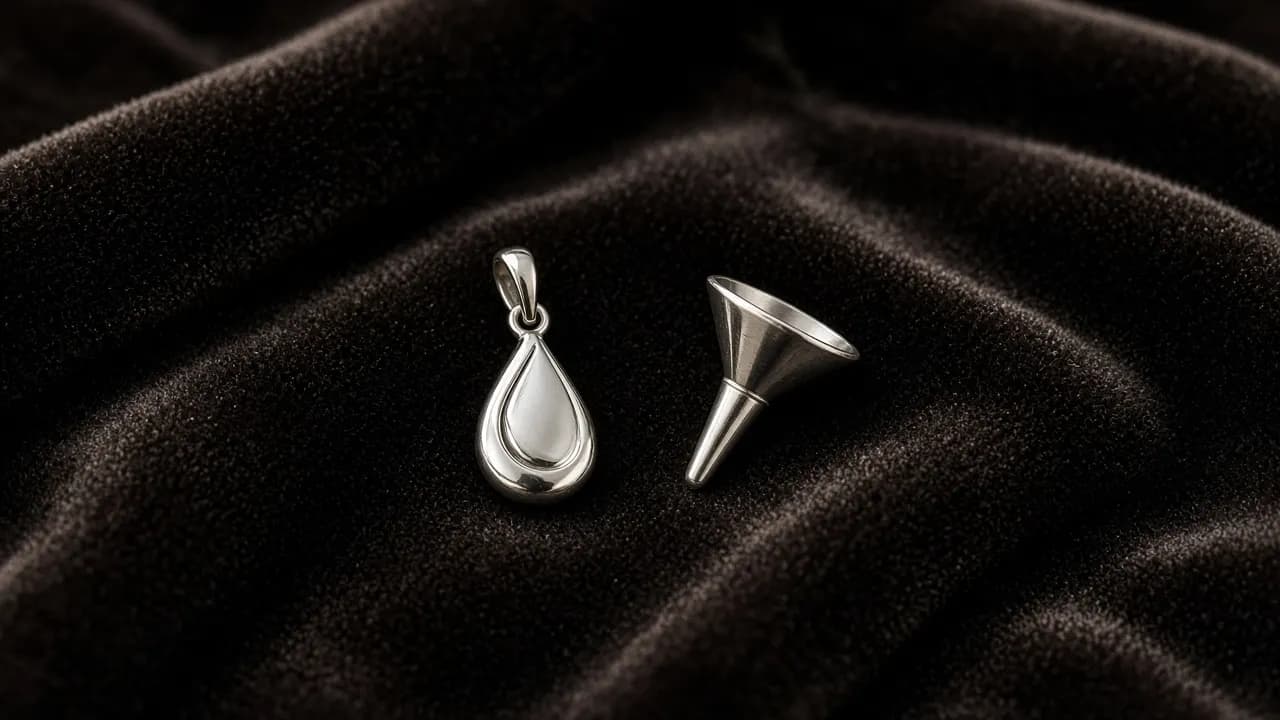
Keepsakes are easier than they look, because they take so little. A cremation pendant holds only a pinch[5], and a small keepsake urn takes a few spoonfuls. Fill them before you close the main urn, working over the same tray.
- Pendants: use the tiny funnel supplied, or roll a piece of paper into a cone. Tap the ash in a pinch at a time and clean the thread before you screw the cap on.
- Keepsake urns: a few spoonfuls is usually enough; fill to just below the neck so the lid seats cleanly.
- Ashes-in-glass studios: send a small sealed bag; each piece uses only about 1/8–1/2 tsp[6].
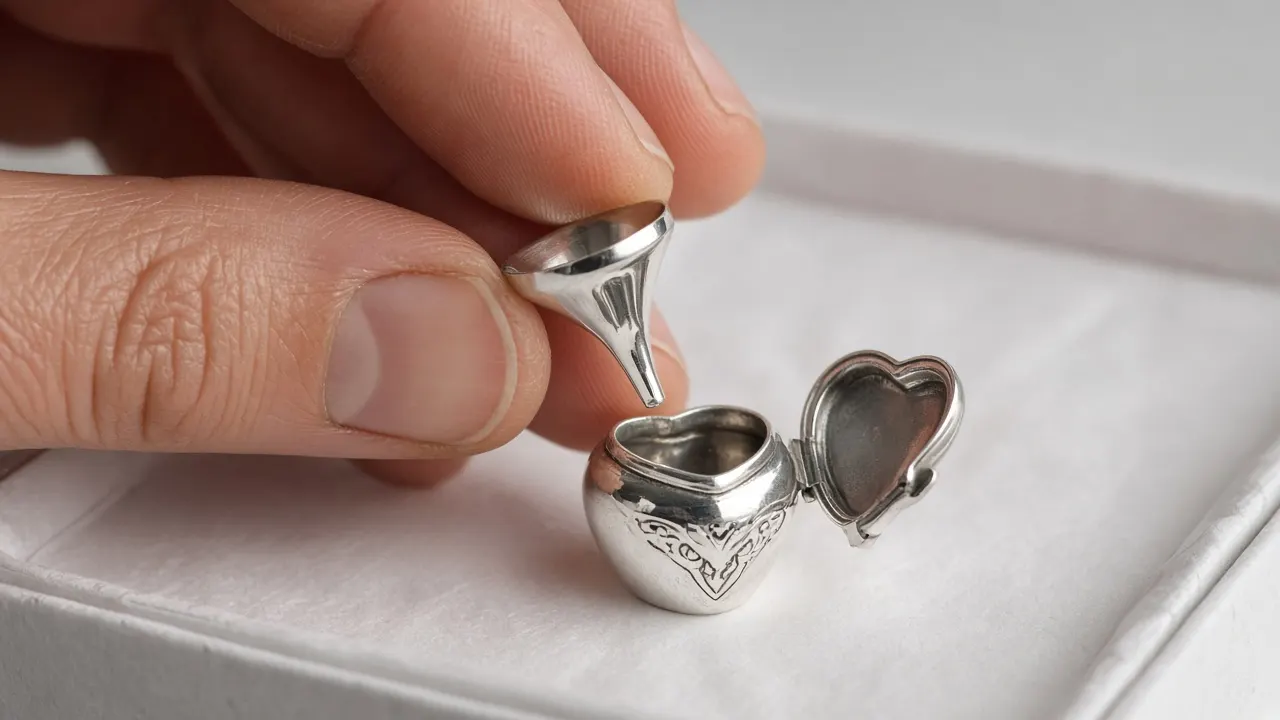
The jewelry ash capacity guide shows how much each piece holds, and the ashes sharing planner works out what remains for the main urn.
Free tool
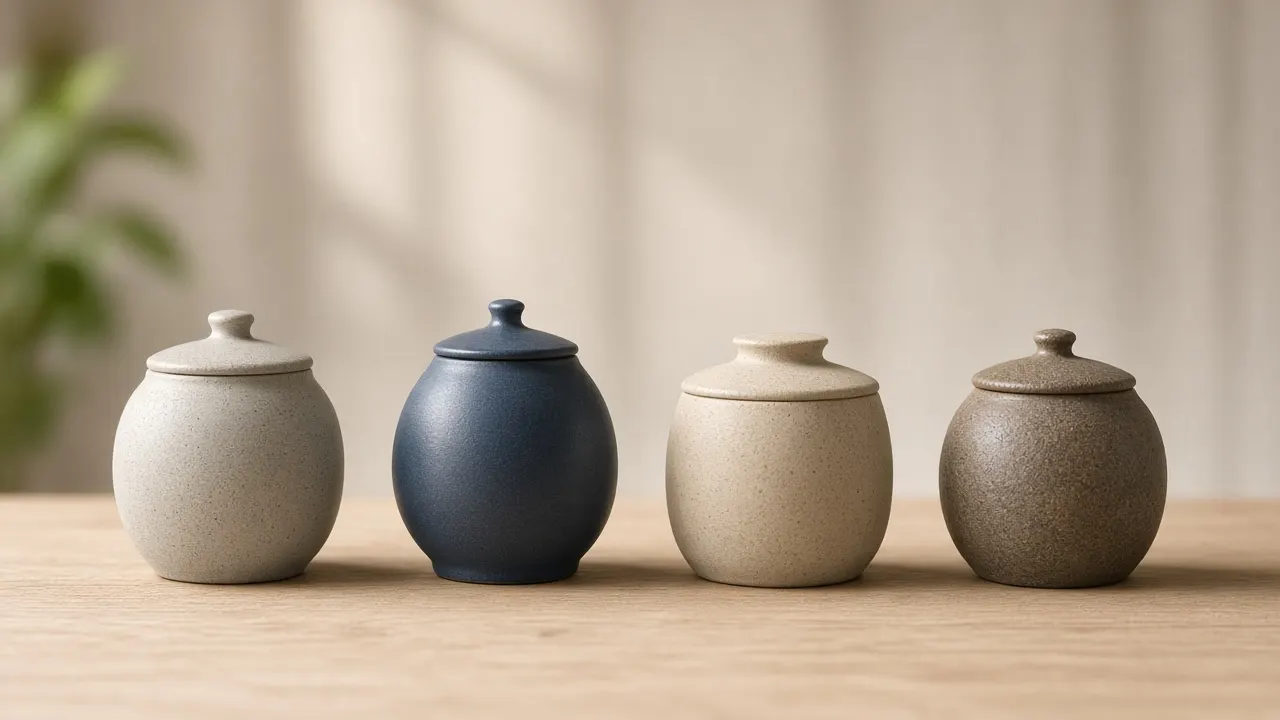
Ashes sharing planner
Split ashes fairly between family members, keepsake urns and jewelry.
Closing up
Should you seal the urn permanently?
For an urn kept indoors, usually not. A snug lid or screwed base is secure, and leaving it reopenable means you can add a keepsake share back, move the ashes to a new urn, or combine them with another pet's later. For a pendant, a drop of the supplied thread-locking glue stops the cap working loose.
Permanent sealing, with a thin bead of clear silicone or epoxy around the lid, makes sense for urns that will be buried, kept outdoors, or carried often. Let it cure fully before moving the urn.
If the plan is to bury the sealed urn in your own garden in England, GOV.UK's animal burial guidance confirms that one pet's ashes can be buried on your land without permission. Elsewhere, check local rules first.
Getting help
What if you'd rather not do it yourself?
That's completely understandable. Many crematories will place the ashes in an urn you provide, sometimes at no charge, if you drop it off or send it before the ashes are returned. Some vets and funeral homes will help too. Ask when you book the cremation.
Others find that doing it together, perhaps with a candle lit and a favorite photo nearby, becomes a quiet ritual they're glad they shared. If you're not ready for either, the ashes are safe in their temporary container for as long as you need; ash volume and temporary containers explains why. When you're ready for an urn that's easy to fill, tell us your pet's weight or browse every kind of pet urn.

Reader polls
What would you choose?
Vote anonymously and see how other readers answered. The results are live counts from people who visit this site, so they show real opinions, not a scientific sample.
How would you move the ashes from the temporary container into the urn?
Tap an answer to vote and see how others answered. Anonymous.
Will your pet's ashes stay together or be shared?
Tap an answer to vote and see how others answered. Anonymous.
Do you keep more than one memorial for the same pet?
Tap an answer to vote and see how others answered. Anonymous.

Free tools to help you plan
Ashes sharing planner
Split ashes fairly between family members, keepsake urns and jewelry.
Jewelry ash capacity guide
How much ash fits in pendants, rings and glass, and how many pieces one pet can fill.
Urn size calculator
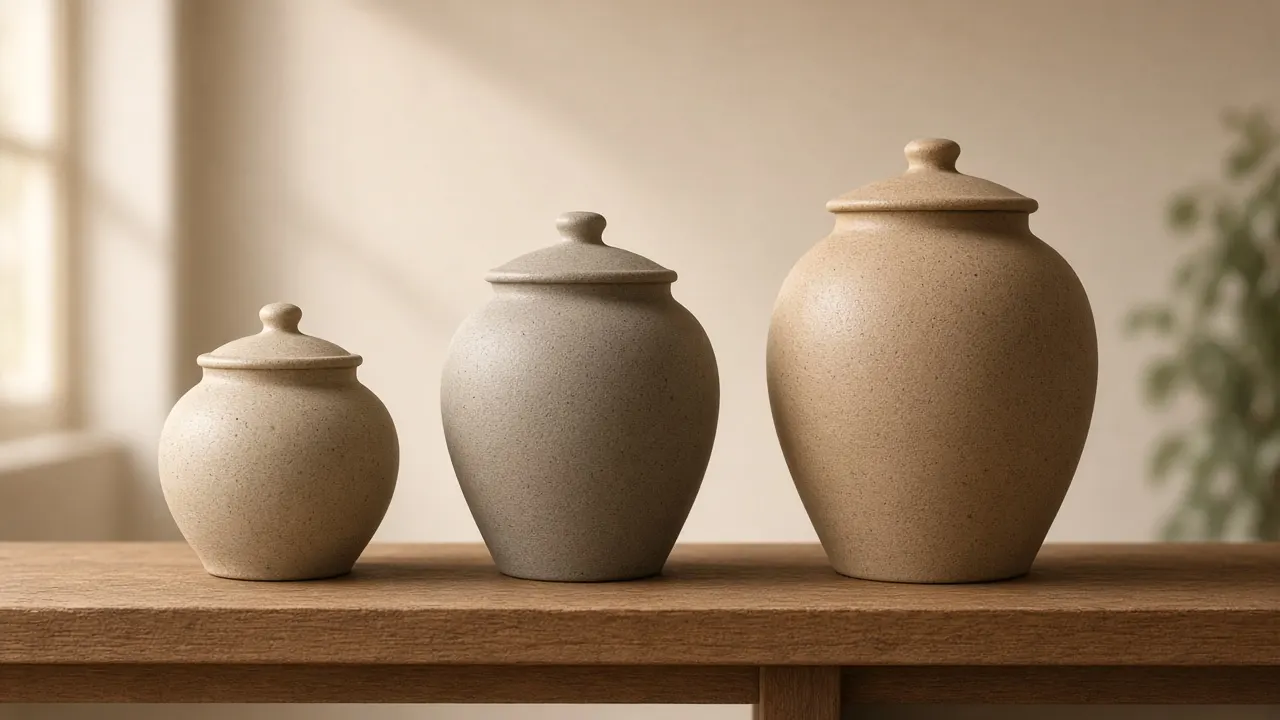
Find the urn volume you need from your pet's weight, plus keepsake and sharing options.
Questions people ask
Do I have to open the bag to put ashes in an urn?
No. Most urns are made to hold the sealed bag the ashes come in, and keeping them bagged is cleaner and safer. You only need to open the bag if the urn's opening is too narrow, or if you're filling keepsakes or jewelry.
What do pet ashes look and feel like?
They're pale grey to off-white and feel like coarse sand, with some small gritty fragments of bone. They're heavier than they look and don't float like dust. It's normal for the texture to vary a little from pet to pet.
What should I do if I spill some ashes?
Stay calm; it happens. On a hard surface, sweep gently with a soft brush onto a sheet of paper and tip them back in. On carpet, a small hand vacuum with a clean bag lets you recover them. Some families prefer to scatter a tiny spill outdoors instead.
Can I mix my pet's ashes with anything?
You can, but think it through first. Some people add dried flowers or a note to the urn alongside the bag. Mixing ashes directly with anything makes it impossible to separate them later, so if you're unsure, keep the ashes bagged and place items beside them.
Can the crematory put the ashes into my urn for me?
Often, yes. Many crematories will fill an urn you bring or send ahead, and some offer to divide ashes into keepsakes as well. Ask when you arrange the cremation, and check whether there's a small fee for the service.


Sources and our estimates
- [1] Embrace notes cremated remains typically weigh about 3-5% of the pet's original body weight. Embrace Pet Insurance - Bury or Cremate Your Dog? Costs, Pros & Cons, 2025.
- [2] A 30 kg (66 lb) dog typically leaves about 0.9-1.5 kg of cremated remains, which helps size urns on location pages. Our estimate: 30 kg x 3% = 0.9 kg; 30 kg x 5% = 1.5 kg. How we calculate.
- [3] A 12 lb cat would be expected to return about 6.7 oz (0.42 lb) of cremated remains. Our estimate: 12 lb x 3.5% x 16 oz/lb. How we calculate.
- [4] Cremated remains have a very high pH of approximately 11.7, which is toxic to plants without amendment. Larkspur Conservation — Giving Cremated Remains a New Life Through Science, 2024.
- [5] An ashes pendant holds only a pinch of cremated remains (the retailer says at most about a teaspoon; most pendants hold far less), and most come with a small funnel fill kit. Memorials.com – Pet ashes necklaces, 2026.
- [6] Ashes-in-glass pet memorials use only about 1/8 to 1/2 teaspoon of ashes. Funeral.com – Ashes in Glass for Pets, 2026.
Get an urn that's easy to fill
Tell us what you need and where you are. We'll reply by email with clear options and prices so you can decide in your own time.